If you ever find yourself wandering through the lush rainforests of Sri Lanka, you will quickly learn that the island’s wildlife doesn’t always stay politely at a distance. Some of it actually likes to get to know you a bit too well. Yes, I’m talking about leechers, those tiny, wriggly hitchhikers that treat your ankles like an all-you-can-eat buffet. While they may look harmless and soft, they definitely know how to make their presence unforgettable, especially in places like the Knuckles mountain range or the legendary Sinharaja forest, where they seem to pop up with the enthusiasm of overexcited party guests.
You might worry about them before your trip, but trust me, once you get used to their quirky behavior, you realize they are just part of the Sri Lankan rainforest experience. They don’t carry diseases, they don’t cause serious harm, and they certainly don’t attack like horror-movie creatures. They simply take advantage of any exposed skin, do their business quietly, and fall off like they never existed, leaving you wondering how something so small could make you do such a dramatic dance in the middle of the jungle.
Where the Leechers Like to Hang Out Most
You find leechers almost anywhere in Sri Lanka’s wet zones, but Knuckles and Sinharaja forest are like five-star resorts for them, offering perfect humidity, endless vegetation, and a constant supply of passing hikers. When you step into the Knuckles range, you feel like you’re entering a world where the mountains breathe mist and everything glows with green, but you also feel like the leechers are hiding behind every leaf waiting to say hello. The moment the ground gets damp and the rain starts to fall, they arrive like dedicated weather reporters who can’t resist showing up during every shower.
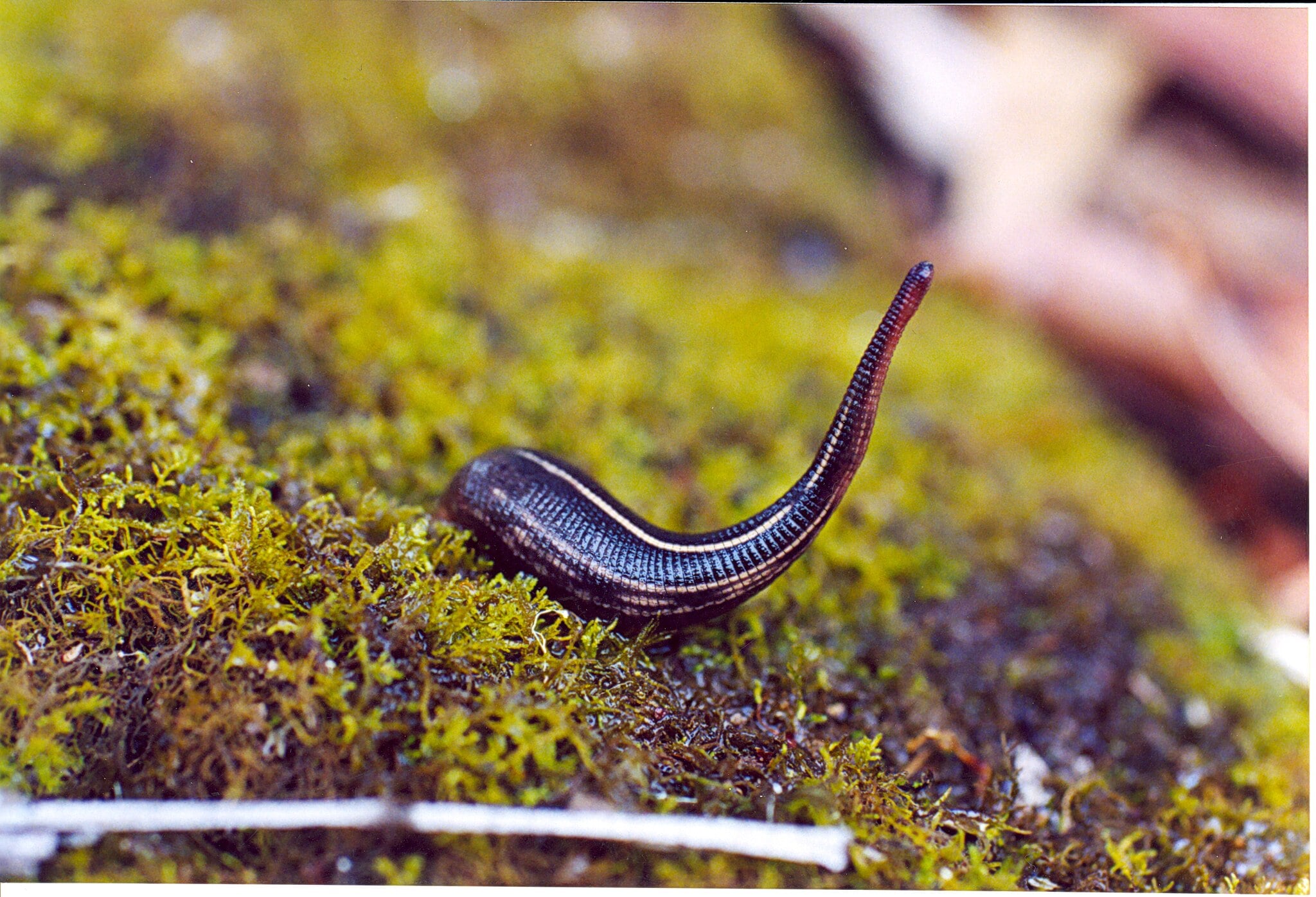
Sinharaja, being a dense rainforest with almost prehistoric vibes, provides an even grander stage for these wiggly creatures. You walk through towering trees, dripping vines and echoing bird calls, and suddenly you sense a tiny movement on your shoe. That’s when you realize the leechers have spotted you, and they’re already planning their slow but steady journey toward your socks. You don’t need to panic though, because most of the time, you can simply flick them off before they latch on, as long as you check your shoes and ankles now and then.
How to Outsmart These Tiny Forest Ninjas
While leechers in Sri Lanka are harmless, you definitely want to keep them from snacking on you if you can help it, and luckily there are plenty of easy tricks. You can wear long socks, tuck your pants into them, and walk with the confidence of someone who has prepared for battle. You can also apply creams or sprays, especially the ones recommended by local guides, because they work surprisingly well. Some hikers even swear by the old-school method of using Soap, Dettol or Salty water on their boots before entering leech-rich areas.
You also learn pretty quickly that staying calm is the best strategy. The moment you feel something tickling your leg, you just stop, check, and remove it gently. The more you panic, the more you imagine leechers everywhere, even when they’re not there. And if one manages to latch on, don’t stress, because you can remove it with the swipe of a fingernail, a bit of tissue, or a dab of saline solution. It doesn’t hurt, and the only thing you might take home is a tiny mark and a funny story about how you screamed louder than a monkey even though the leecher was barely the size of a bean.


Suggestion: The Best Time to Visit Knuckles Mountain Range
Making Peace With the Forest’s Smallest Residents
Once you’ve survived your first encounter, you start to accept that leechers are just another part of the adventure. They’re like the rainforest’s quirky welcome committee, reminding you that you’re walking through one of the world’s richest ecosystems. In fact, many hikers say the leechers actually make the experience more memorable, because nothing bonds you to your fellow travelers like yelling, laughing, and trying to remove a wriggly creature from someone’s ankle while standing in the middle of the wet trail.
At the end of the day, meeting leechers in Sri Lanka gives you a story, a smile, and a deeper connection to the incredible landscapes you explore. Whether you’re trekking through the misty peaks of Knuckles or wandering through the ancient beauty of Sinharaja forest, you know you’re stepping into nature’s raw, wild heart. And yes, that heart includes a few tiny, determined, slightly annoying but oddly charming creatures who simply love the taste of adventure as much as you do.
What does Wikipedia say?
- Class: Clitellata
- Subclass: Hirudinea; Lamarck 1818
- Scientific name: Hirudinea
- Phylum: Annelida
- Kingdom: Animalia
- Read more in Wikipedia
Tips for Leeches
- 🔹Be Aware of Leeches: Leeches are common on all hikes in the Knuckles Mountain Range. Even on sunny days, you may encounter them on the trails.
- 🔹Expect More After Rain: Following rain, especially heavy downpours, you will likely see an increase in leeches on the paths.
- 🔹Wear Appropriate Footwear: Choose shoes without mesh or holes to keep leeches out. Consider using leech socks for added protection.
- 🔹Prepare for Bites: If you get bitten, your guide will probably have an alcoholic spray to help remove leeches, which can make the experience less painful.
- 🔹Embrace the Experience: Don’t let the presence of leeches discourage you. The hikes are stunning and well worth it, and leeches are a natural part of the ecosystem, contributing to the environment in important ways.